Product Description
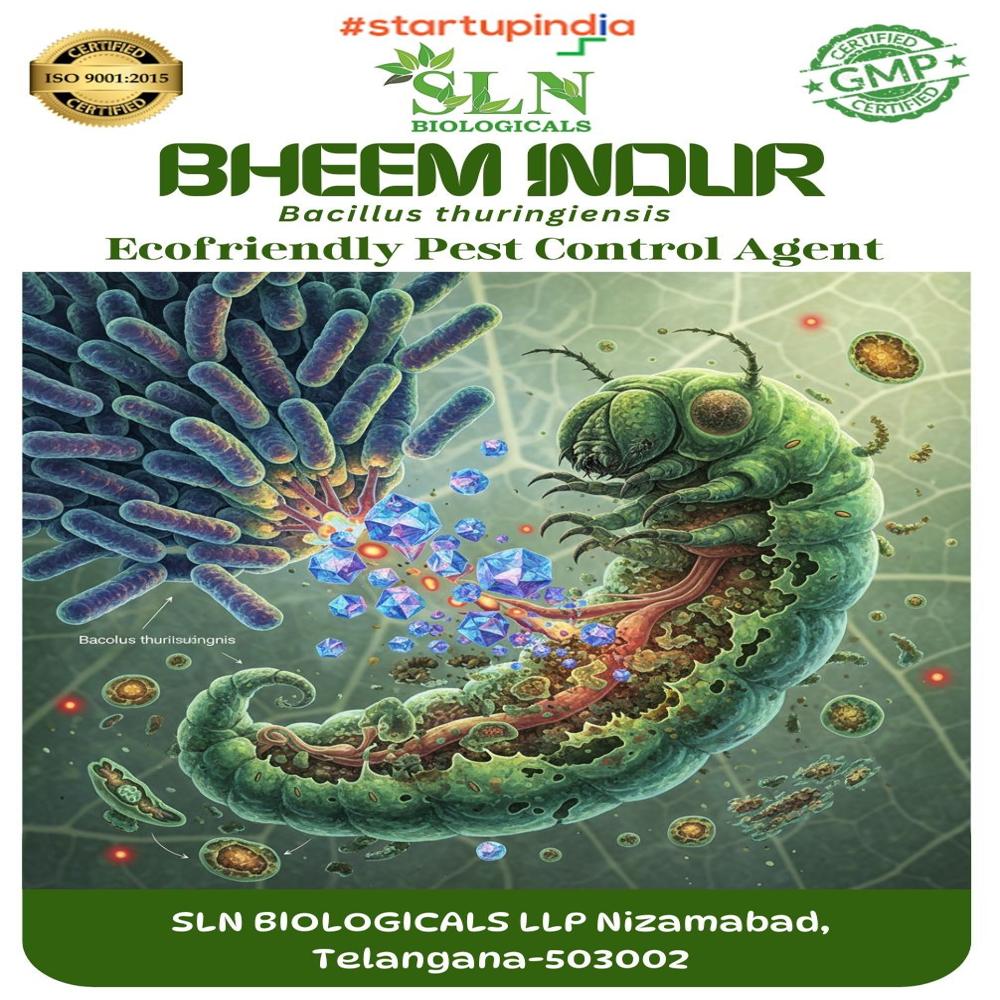
Bacillus thuringiensis (Bt) is a biological pesticide, classified as a microbial fungicide, used in agrochemical applications. With purity ranging from 98% to 100%, it effectively controls pests like caterpillars and other larvae on fruit trees, vegetables, herbs, and flowers. This naturally occurring bacterium produces proteins toxic to specific insect pests, without harming beneficial insects or plants. Processed through fermentation, Bt requires specialized bioreactors for optimal production. Available in various packaging options, including powders or liquid formulations, its widely used in organic farming, horticulture, and crop protection. By reducing chemical pesticide use, it enhances crop yield, sustainability, and environmental safety for clients.
Advanced Biological Crop ProtectionBacillus thuringiensis brings a sophisticated solution for farmers, combining a high-purity fungicidal action with a controlled release mechanism. Its biological formulation champions reduced chemical residue, making it an exceptional choice for sustainable farming. This technological advancement enables farmers to safeguard crops while supporting eco-friendly agricultural practices.
High Efficacy and Purity StandardsAvailable in purities of 98%, 99%, and 100%, Bacillus thuringiensis ensures maximum effectiveness in combating fungal diseases. These purity levels deliver consistent and reliable results in diverse climatic conditions. As an exporter and manufacturer from India, quality assurance remains central to its production and supply chain, meeting rigorous agricultural standards.
FAQs of Bacillus thuringiensis:
Q: How does Bacillus thuringiensis work as a fungicide in agriculture?
A: Bacillus thuringiensis acts by producing proteins that disrupt the growth of target fungi, protecting crops from diseases. Its biological activity ensures selectivity toward pathogenic organisms, minimizing harm to beneficial flora and fauna.
Q: What are the recommended application methods for this controlled-release fungicide?
A: It is primarily applied as a spray on crops, following the recommended dilution rates provided with the product. Controlled release allows gradual and sustained protection, reducing the frequency of applications needed over the growing season.
Q: When should Bacillus thuringiensis be used for optimal crop protection?
A: For best results, it should be applied at the early stages of crop growth or at the first sign of fungal infection. Preventive applications are often more effective than curative treatments, as they inhibit the establishment of diseases.
Q: Where is this product manufactured and can it be exported worldwide?
A: Bacillus thuringiensis is manufactured, supplied, and exported from India, adhering to international quality standards. It is available for global export, enabling access to high-grade crop protection solutions internationally.
Q: What is the process for sourcing Bacillus thuringiensis from Indian exporters or manufacturers?
A: To source this product, contact reputable Indian exporters or manufacturers directly or through their official channels. They provide product specifications, certifications, and packaging options to suit different agricultural needs.
Q: How should Bacillus thuringiensis be used for safe and effective application?
A: Always follow label guidelines regarding dosage, timing, and mixing instructions. Proper use ensures crop safety, environmental protection, and adherence to regulatory requirements. Personal protective equipment is recommended during handling.
Q: What are the benefits of using a biological pesticide of this purity level?
A: High-purity Bacillus thuringiensis offers increased efficacy against target fungi while minimizing unwanted residues. It supports integrated pest management approaches, enhances environmental safety, and helps maintain agricultural sustainability.









 Send Inquiry
 Send Inquiry
 Send SMS